
Hibiscus is one of the most diverse flowers you can see in Corfu, coming in an incredible variety of colours and shapes.
This subtropical plant, with its bright five-petalled flowers and distinctive anatomy, thrives in mild Mediterranean climate of Corfu.
You will see hibiscus flowers literally everywhere in Corfu, even if you may not recognise them at first sight.

Hibiscus Genus
Hibiscus is a large genus of flowering plants belonging to the mallow family, Malvaceae.
There are hundreds of species, ranging from annual plants and herbaceous perennials to shrubs and small trees.
Many hibiscus species are evergreen, with glossy green leaves and large, showy flowers.
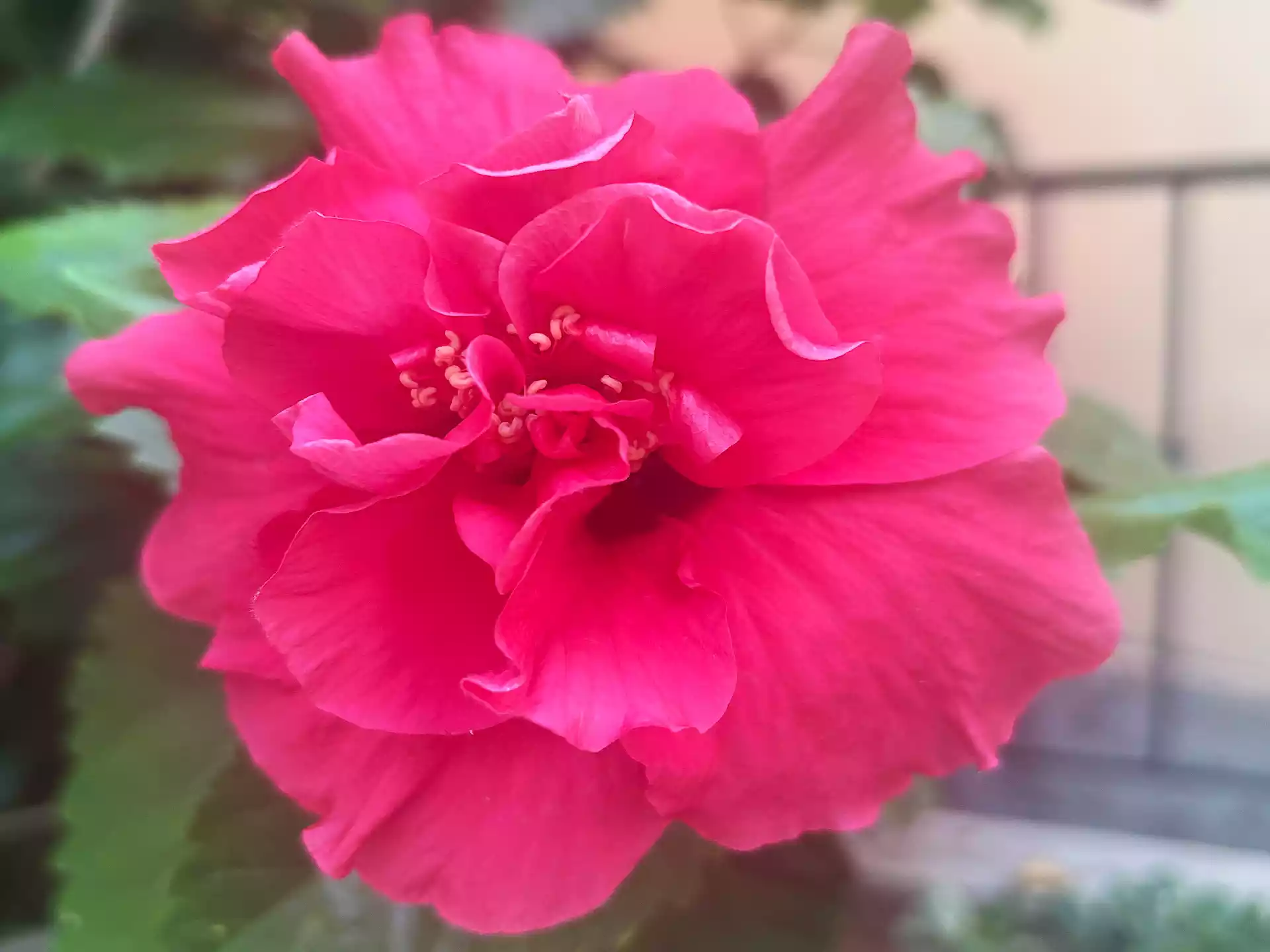
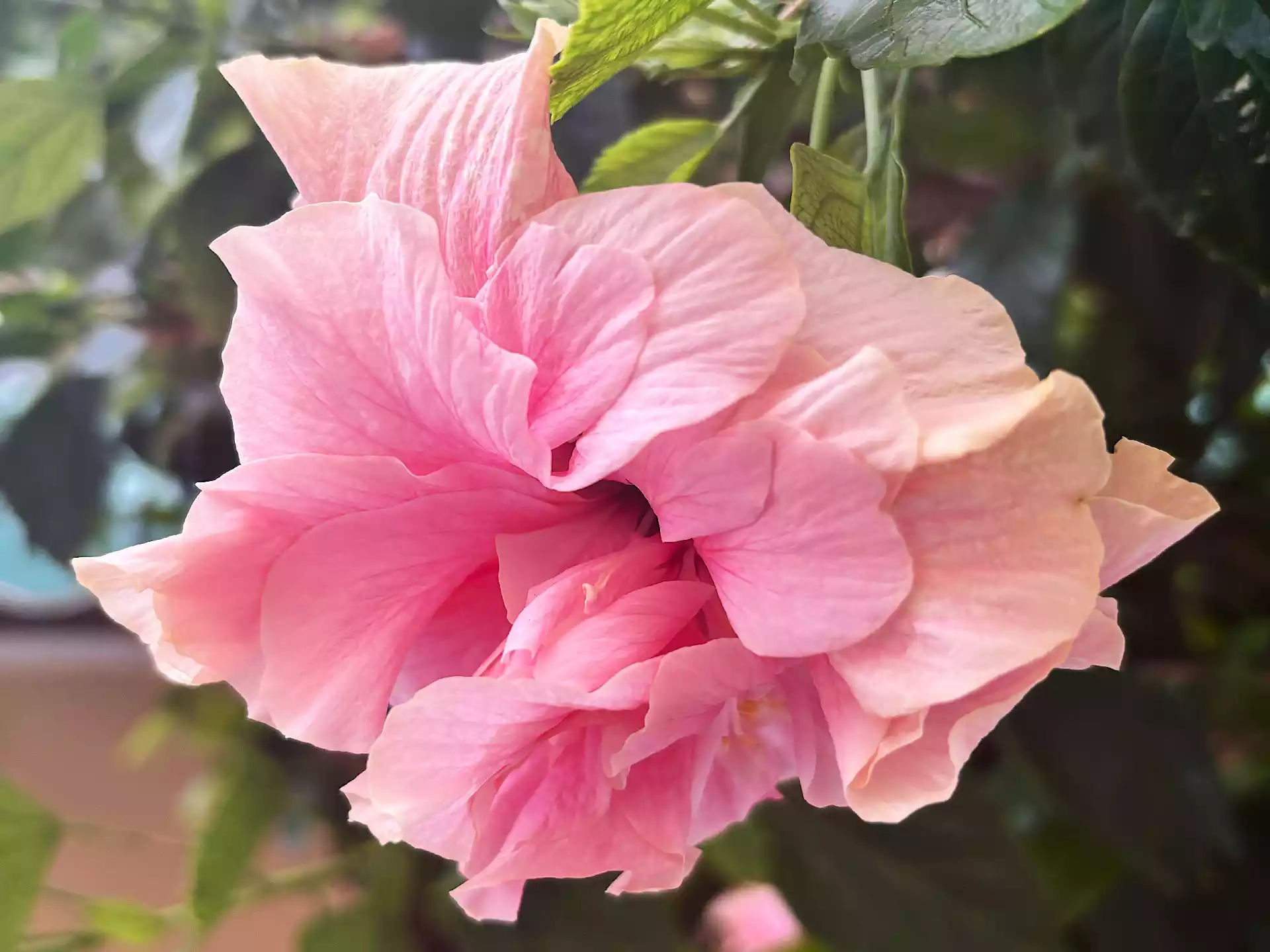
Depending on the species or cultivar, the flowers can be single or double, with smooth, ruffled or unusually shaped petals.
One feature they have in common is their distinctive flower structure.

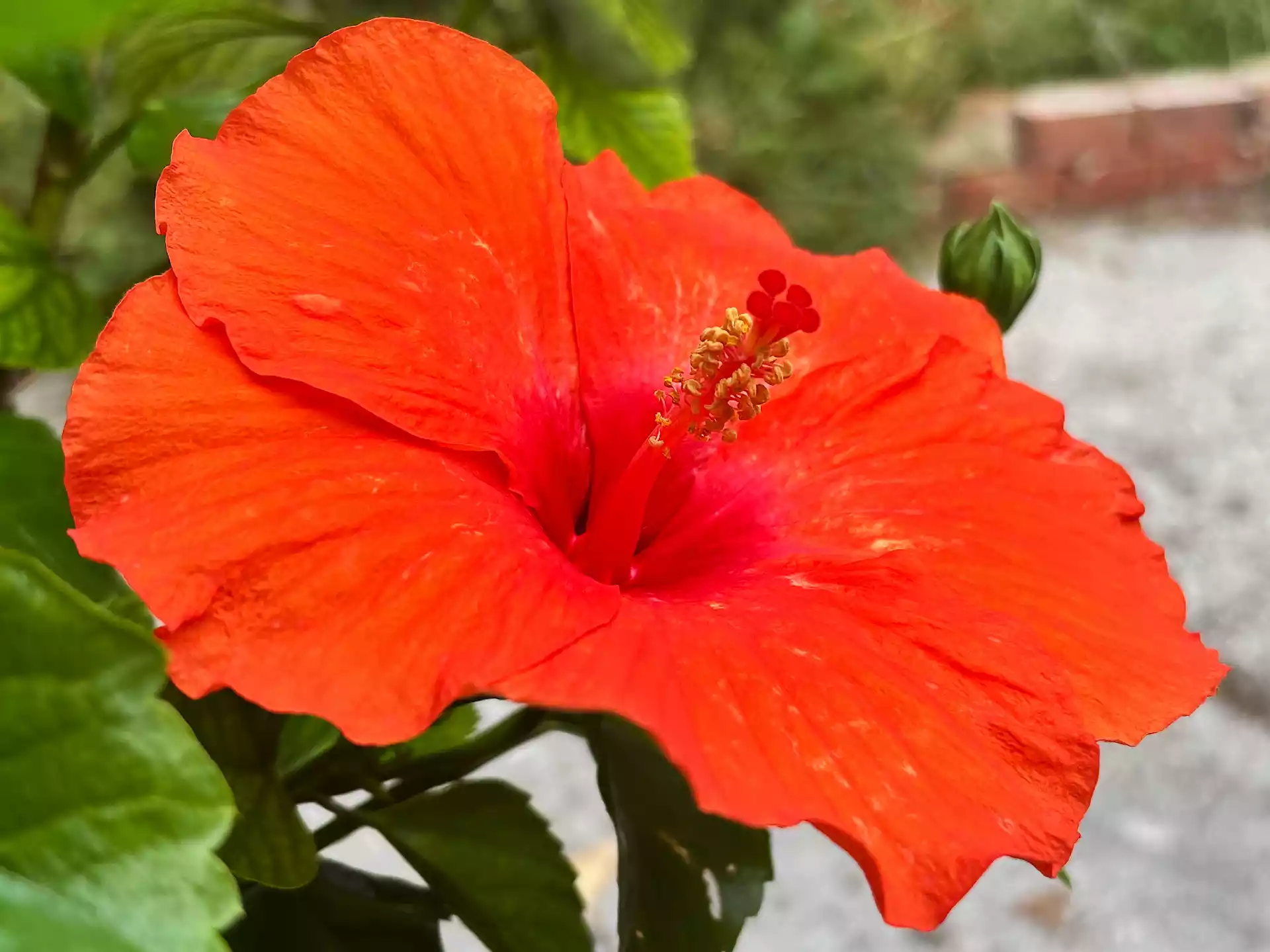
Hibiscus flowers have five petals and a distinctive central staminal column bearing numerous stamens.
The style extends through this column and ends in five branches with prominent stigmas.


Hibiscus in Corfu
On Corfu, you may see about 30 different hibiscus flowers from different varieties and cultivars.
They mostly belong to three different species or groups among the many forms of Hibiscus found around the world:

1. Chinese hibiscus (Hibiscus rosa-sinensis)
The most common tropical hibiscus, also called Chinese Rose, usually growing as an evergreen shrub.
Its large flowers come in an extraordinary range of colours, from white and yellow to pink, orange and deep red, often with contrasting centres.

2. Syrian hibiscus (Hibiscus syriacus)
A more cold-hardy species, usually growing as a deciduous shrub.
Its flowers are generally smaller than those of Chinese hibiscus and can be single or double, in shades of white, pink, purple and blue.

3. Luna hibiscus (Hibiscus moscheutos)
A completely different-looking hibiscus, known for its enormous flowers, which can reach more than 20 cm across.
The Luna series includes compact cultivars with large flowers in white, pink, red and burgundy shades.
They look absolutely fantastic, but are much rarer to see on the island because they are not native to Corfu.

Important note: the hibiscus varieties you see around Corfu belong to ornamental types of hibiscus.
If you were thinking of making red hibiscus tea from freshly collected flowers, don’t!
The famous red karkade drink, known for its deep red colour and pleasantly sour taste, is made from a different hibiscus species, Hibiscus sabdariffa, commonly known as roselle.
It is mainly cultivated in tropical and subtropical regions, particularly in Africa and Asia.
The drink is made not from the colourful petals of ornamental hibiscus, but from the fleshy red calyces that develop around the flower after it blooms.


If you liked the Hibiscus Atlas of Corfu
We put a lot of time into researching, writing and photographing our stories about Corfu.
Your support helps us keep exploring the island and creating more original content, while allowing us to remain independent and choose the stories we want to tell.
If you enjoy what we do, even a cup of coffee helps keep the heart of Corfu Vibes beating 🧡💙